Zine layouts and themes
Every page layout and every theme in Pleat, drawn by the app itself. The same few photographs run through all of them, so the design is the thing changing from one tile to the next. If you are laying out a photo zine by hand, these are thirty-three ways to put a photograph on a small page, and any of them is yours to borrow.
Themes
A theme sets the type, the paper and the colours for the whole zine. Each one comes with its own set of colours, and changing theme restyles a zine you have already made without touching a photograph.
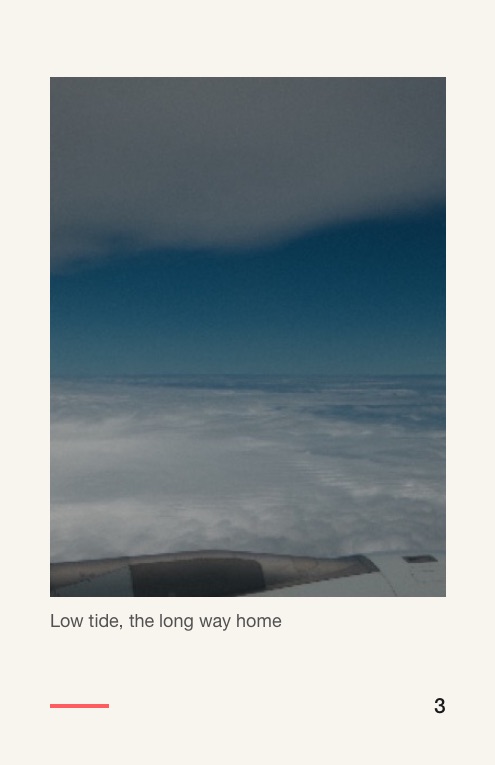
Dossier
Condensed capitals on warm white, with one strong colour doing the pointing.
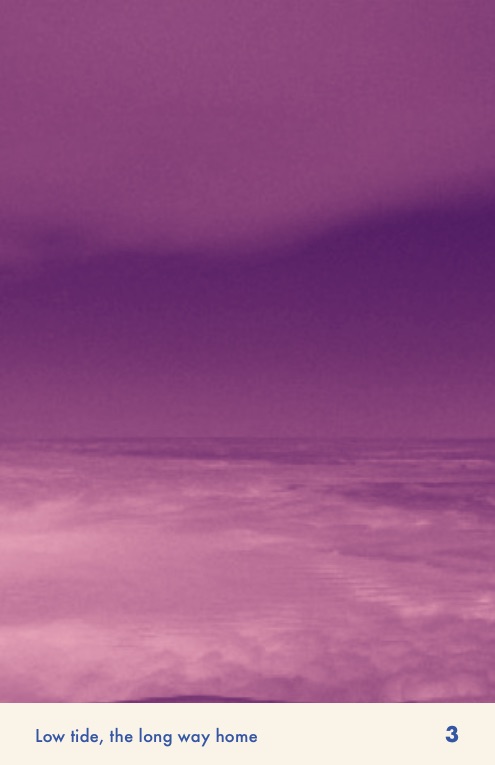
Duotone
Your photos printed as two colours on cream, the way a small press does it.
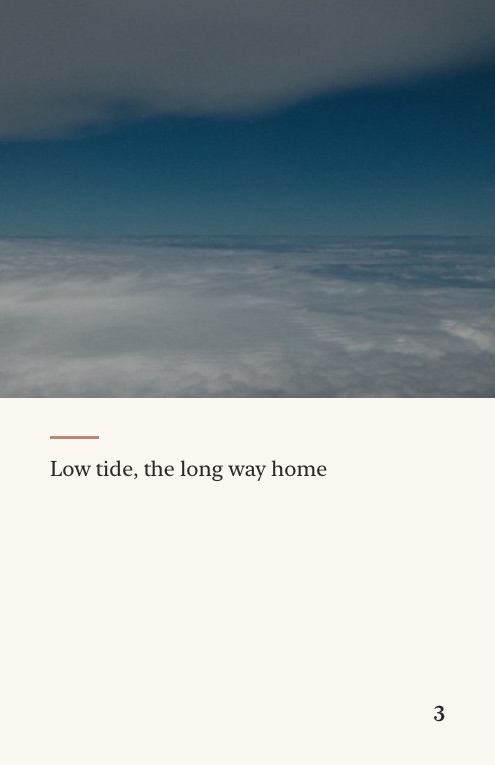
Diary
Quiet and serif, for photographs you want to sit with.
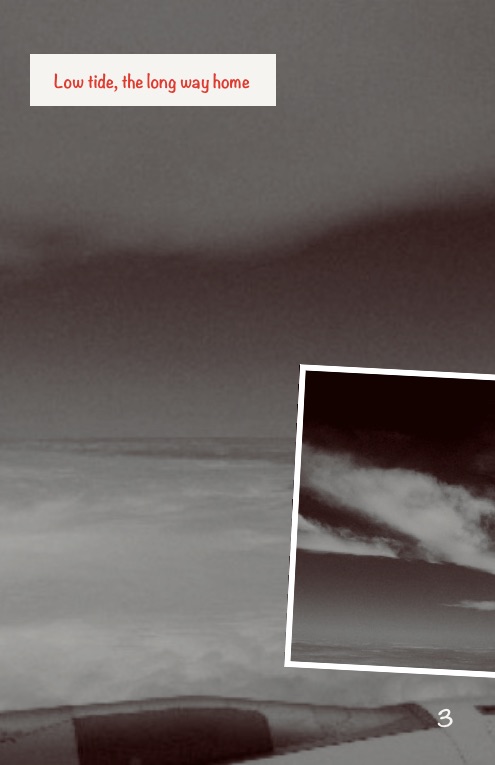
Cut & Paste
A photocopied flyer: hand-lettered, high contrast, cheap paper.
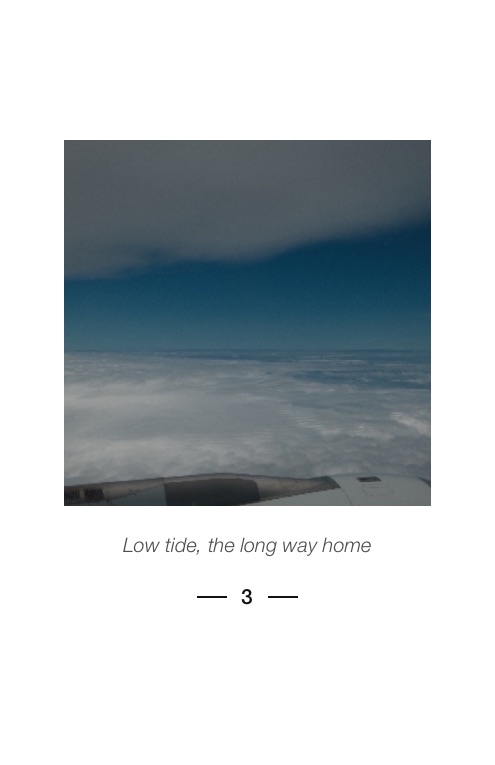
Gallery
Thin type, wide margins, nothing competing with the picture.
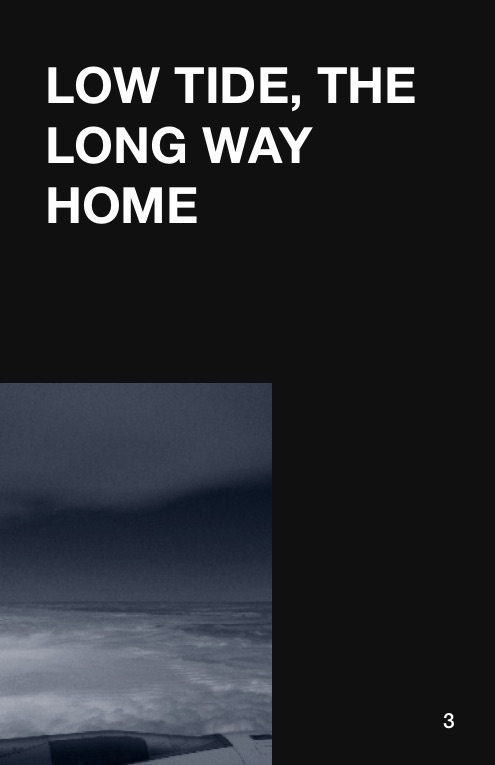
Session
White stock, one deep colour, bold type set tight. Built around people.
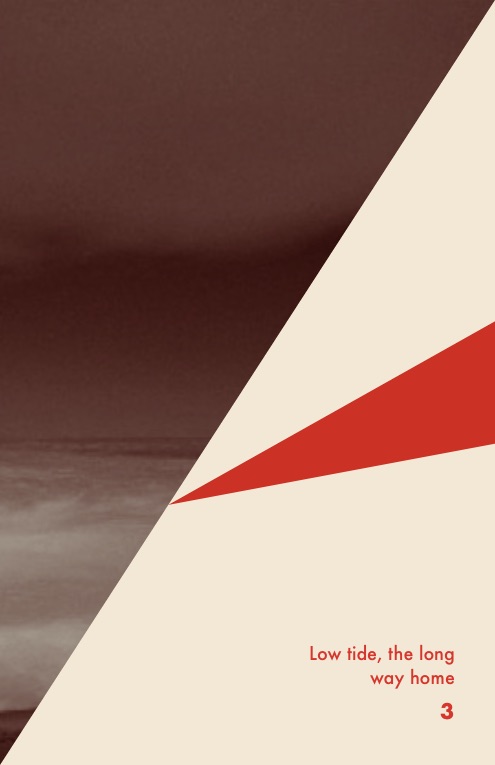
Agitprop
Diagonals, extreme condensed capitals, red and black on cream.
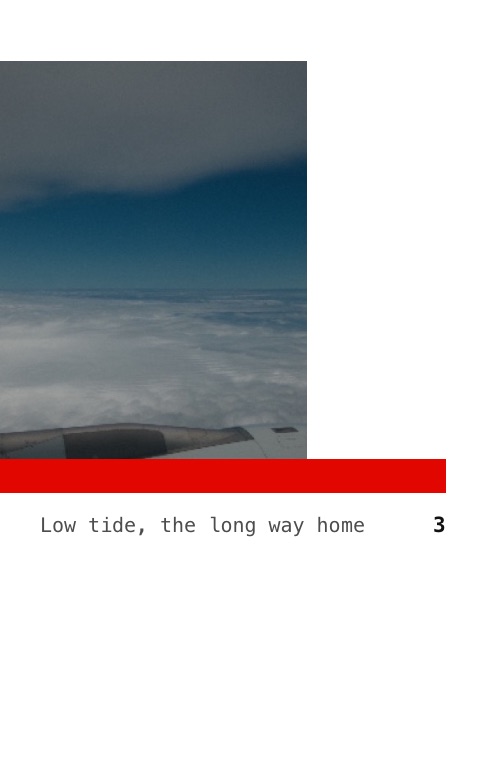
Brutalist
Plain monospaced type, heavy rules, one loud colour on white.
Primer
Coloured stock and geometric type set lower case, like a school primer.
Keepsake
Manila, sun-faded print and album green: the paper things get kept in.
Layouts, one photograph
A layout decides where the photograph and the words sit on a page. Pleat varies them as it goes so no two pages sit the same way, and you can change any page yourself.
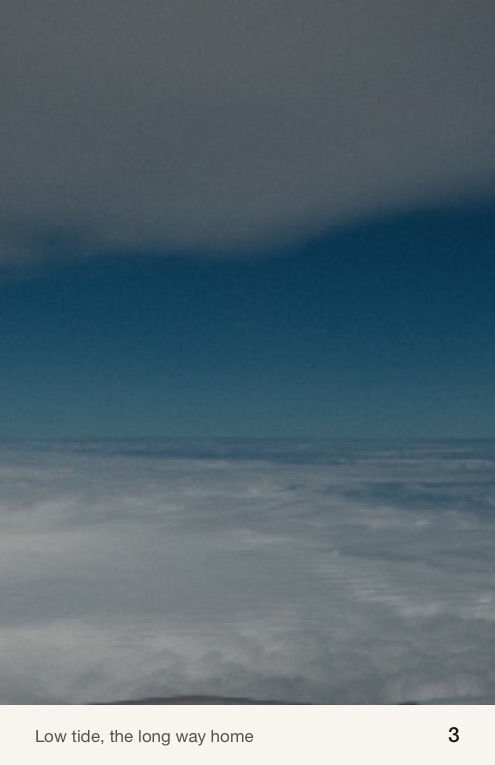
Full bleed
The photograph to every edge.
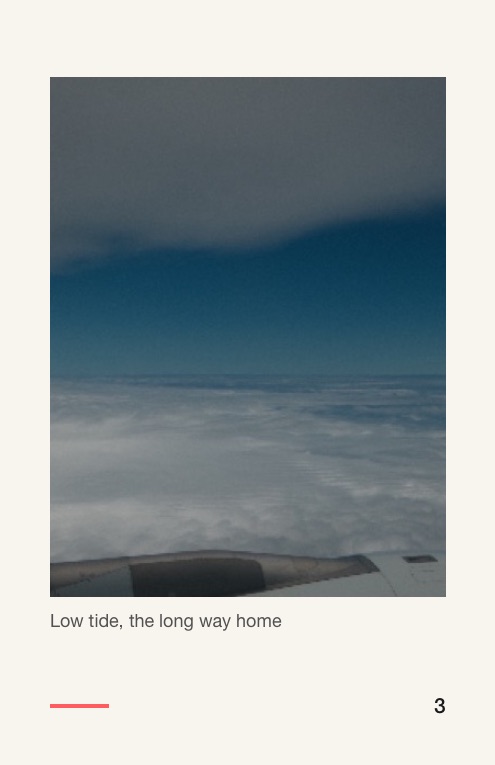
Framed
A photograph inset on paper, with room for a line underneath.
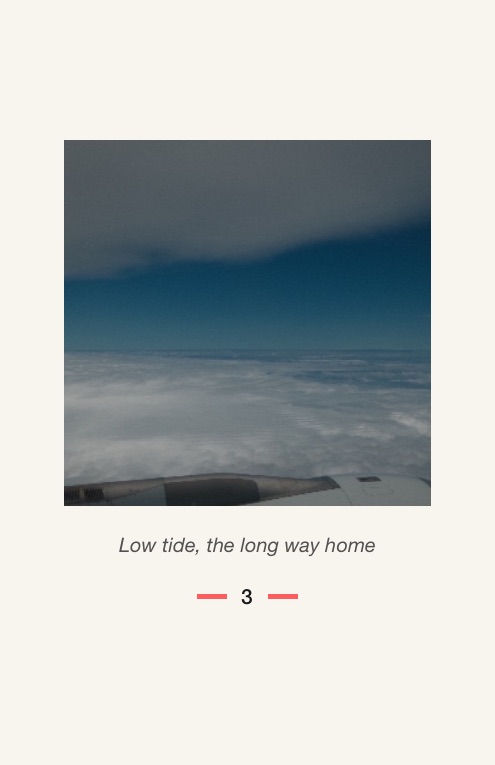
Square
A square crop, centred, with generous margins.
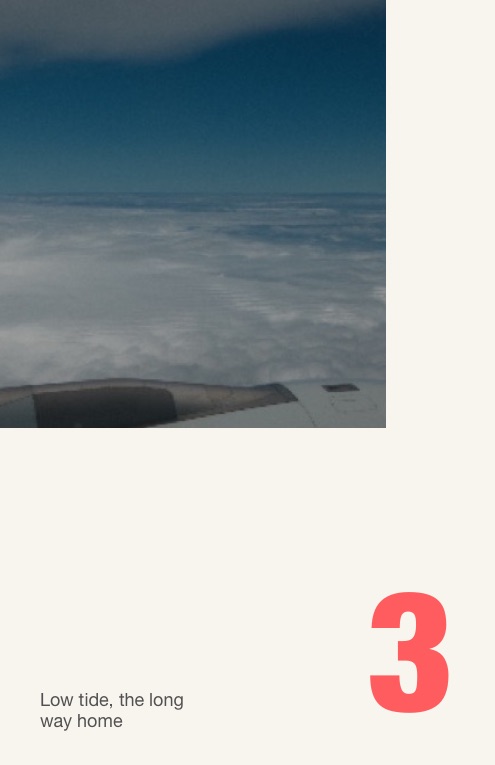
Offset
The photograph runs off one edge and the page number goes big.
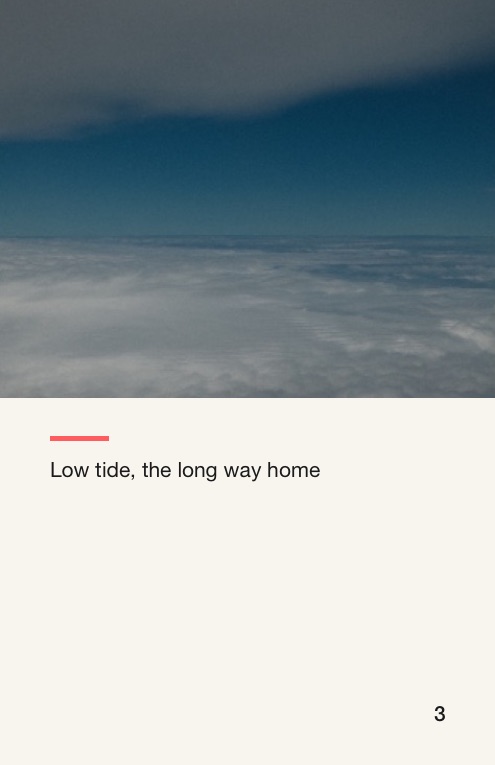
Photo + text
Picture on top, a few lines below it.
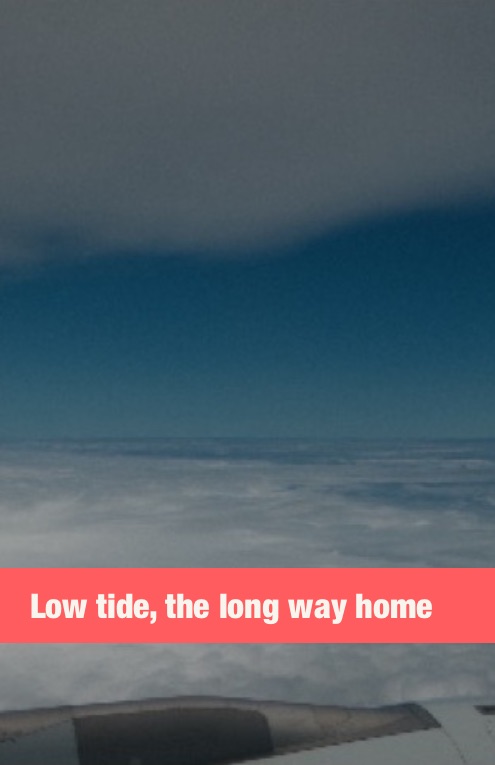
Banner
Full bleed with a band of type across it.
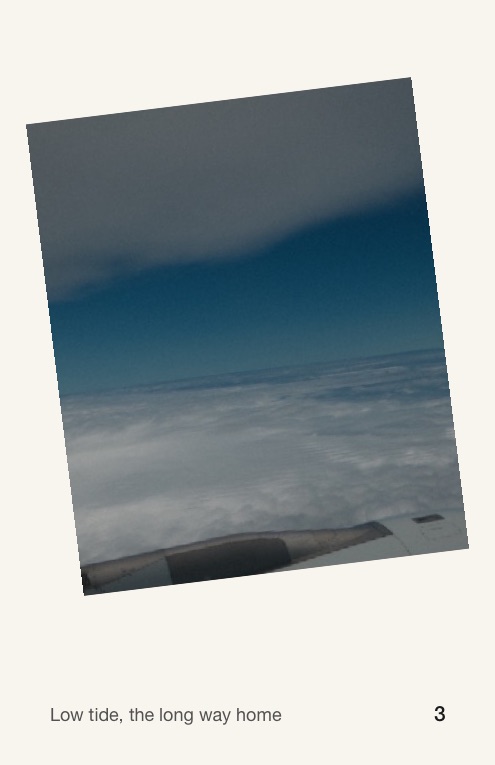
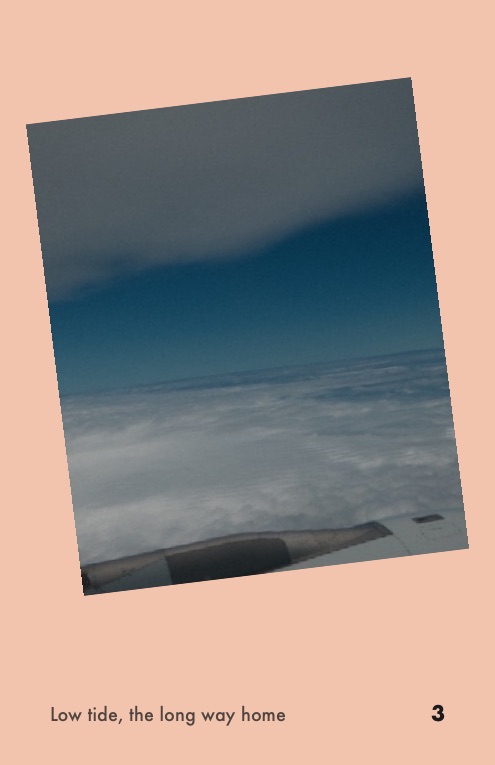
Askew
The photograph turned a few degrees on a calm page.
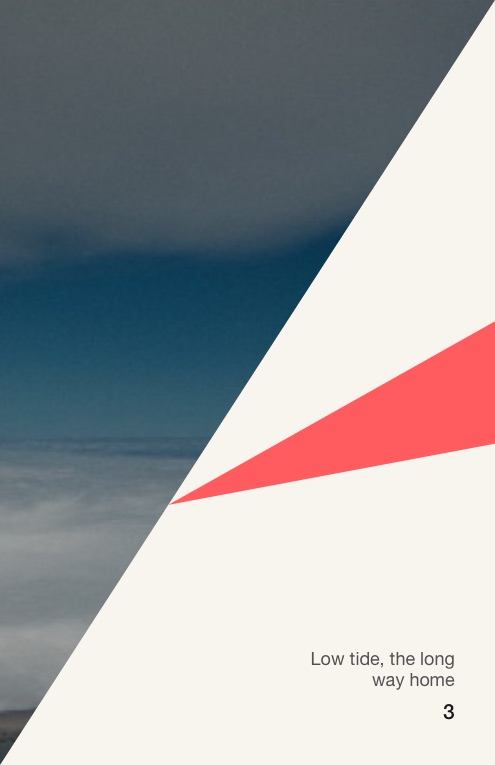
Wedge
The page split corner to corner, the photograph filling one half.
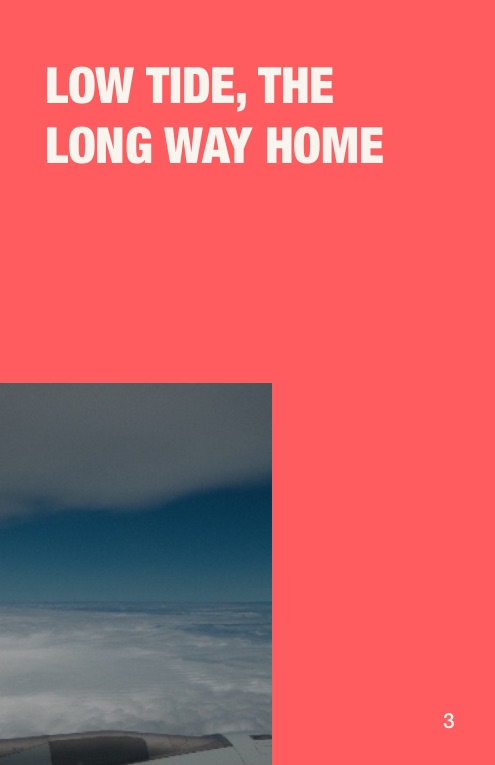
Flood
A tight crop in one corner and a field of colour carrying the title.
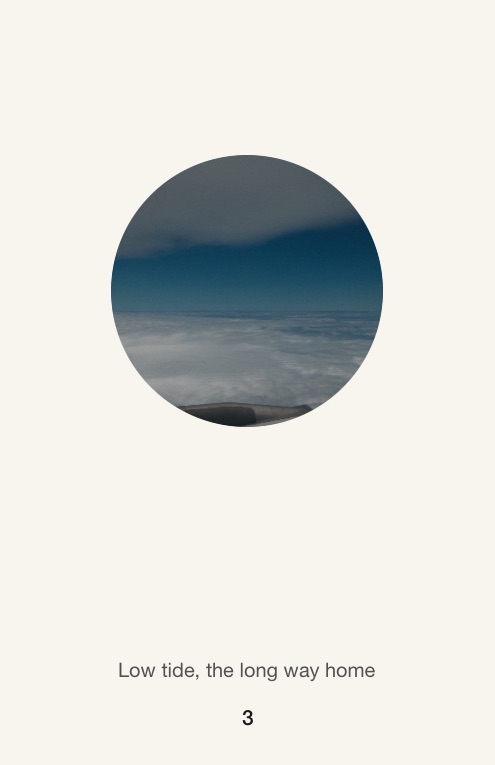
Emblem
A circle of photograph on an otherwise empty page.
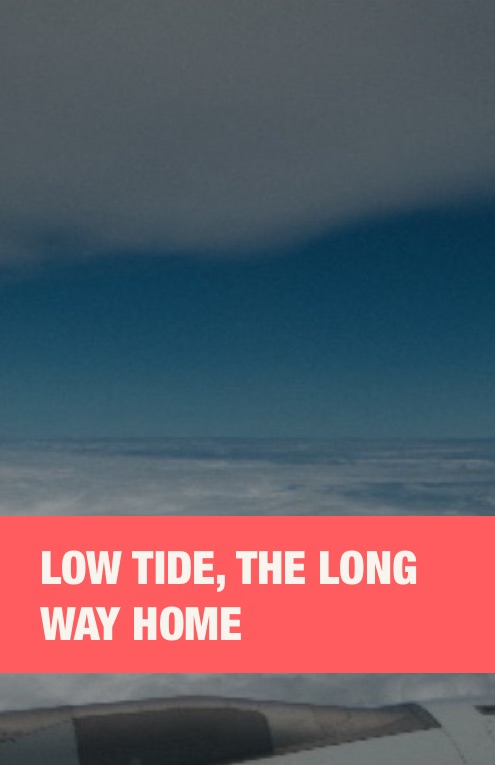
Headline
Full bleed under a solid band of very large type.
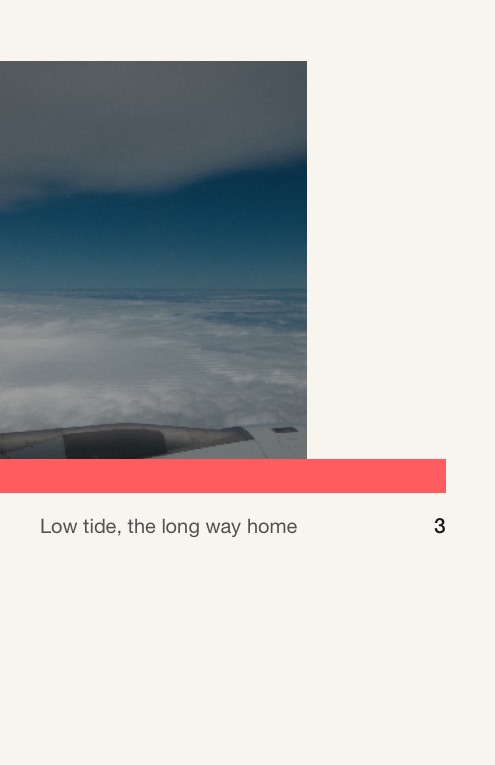
Bar
A heavy rule ties the photograph to its caption.
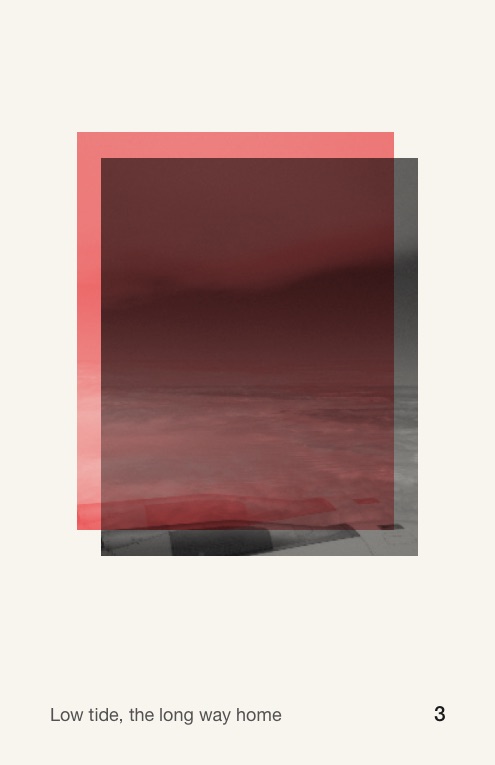
Echo
One photograph printed twice, slightly out of register.
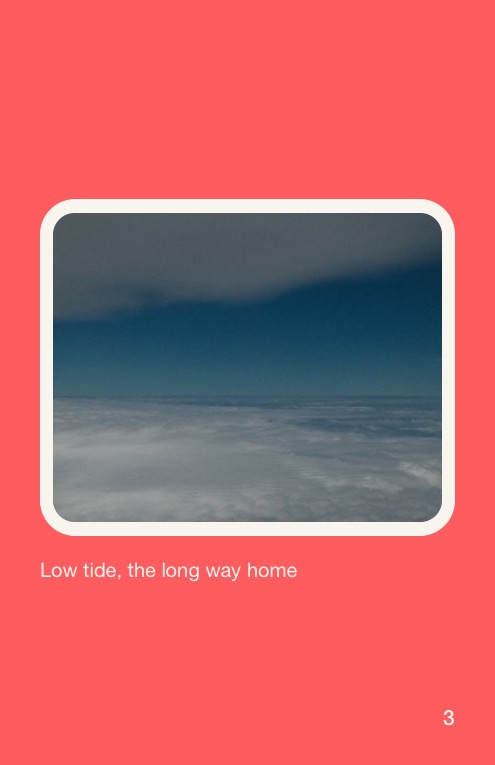
Album
A bordered print mounted on a page of colour.
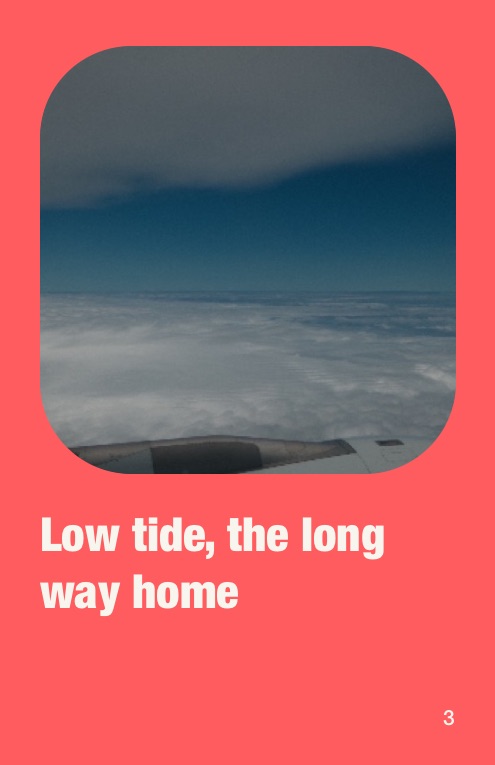
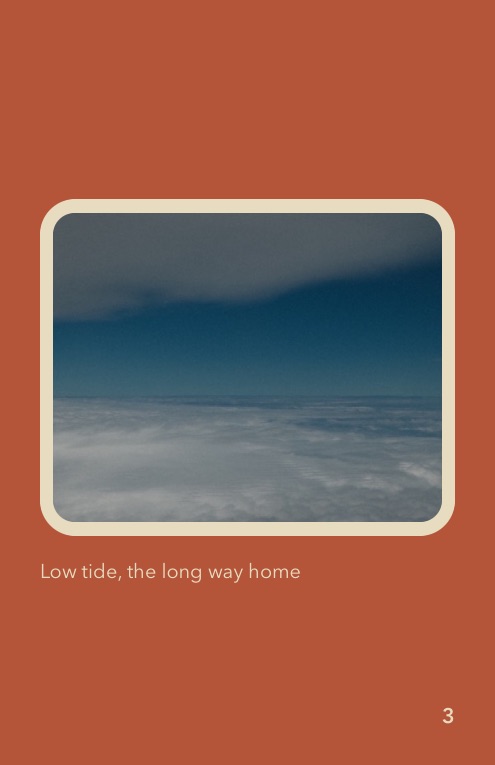
Marquee
A big round-cornered panel with the headline beneath it.
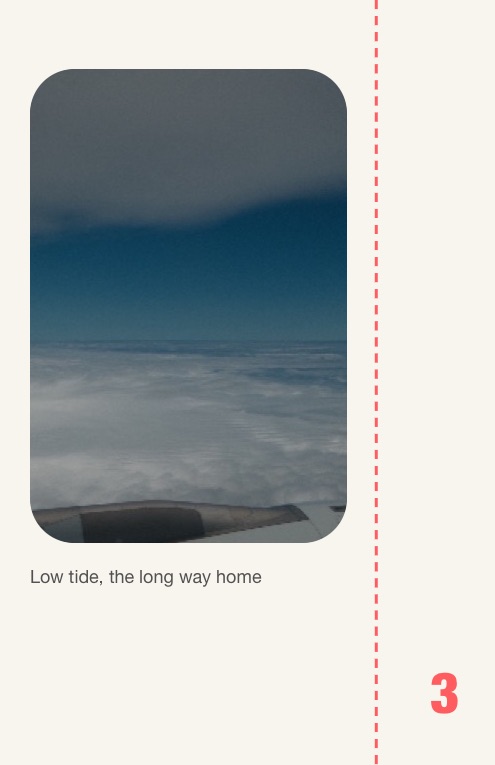
Stub
A ticket: the photograph, a tear line, and a stub with the number.
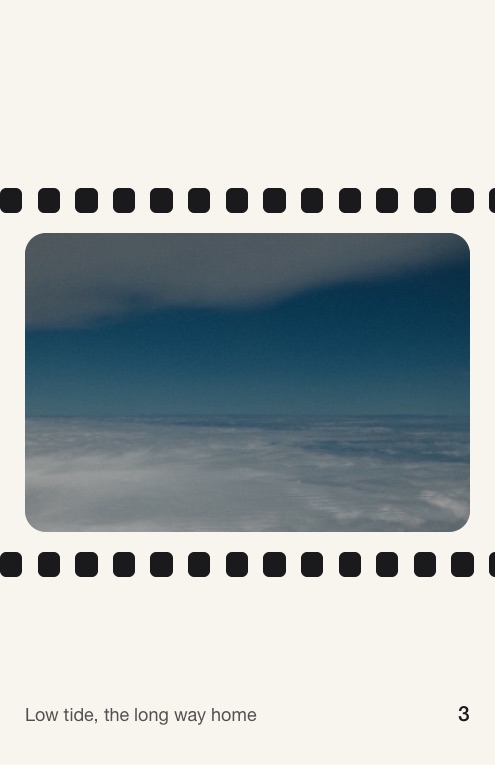
Film
One frame of film, sprocket holes and all.
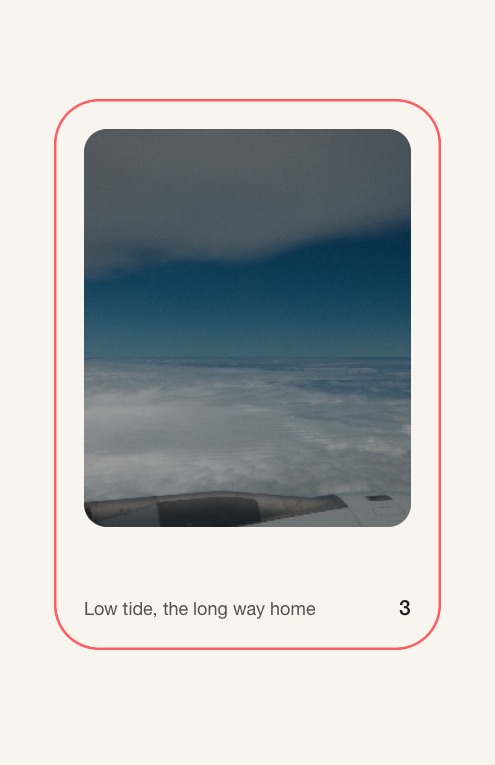
Card
The photograph and its words inside one round-cornered card.
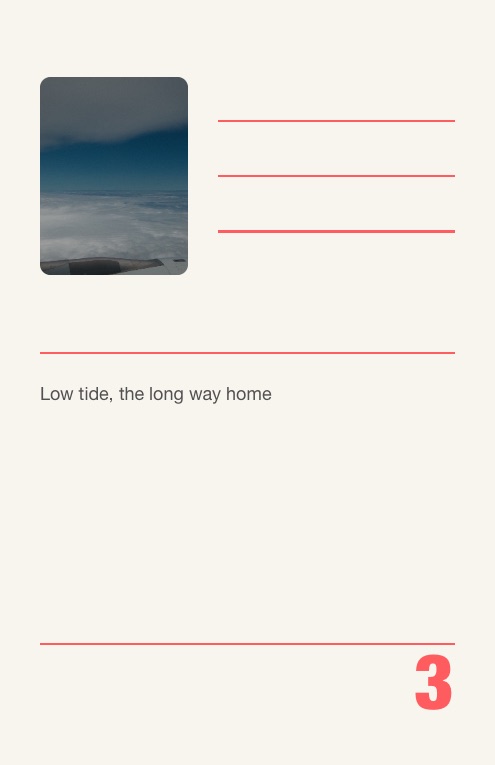
Pass
A small portrait beside ruled lines, like a library card.
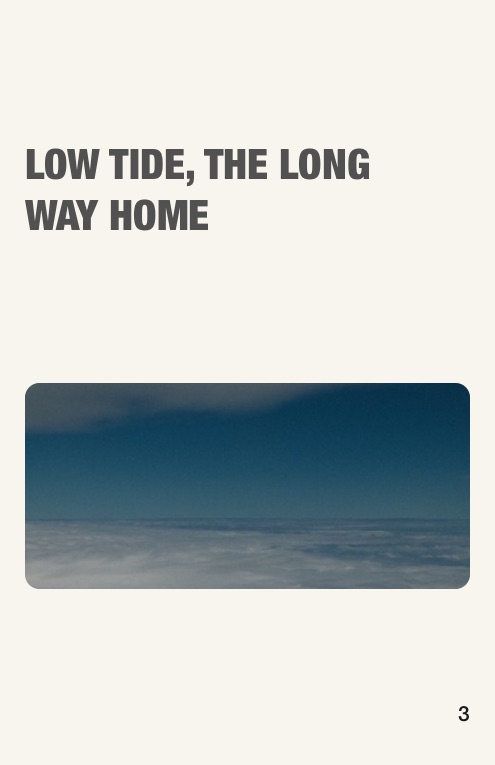
Letterbox
A wide band across the page with the title above it.
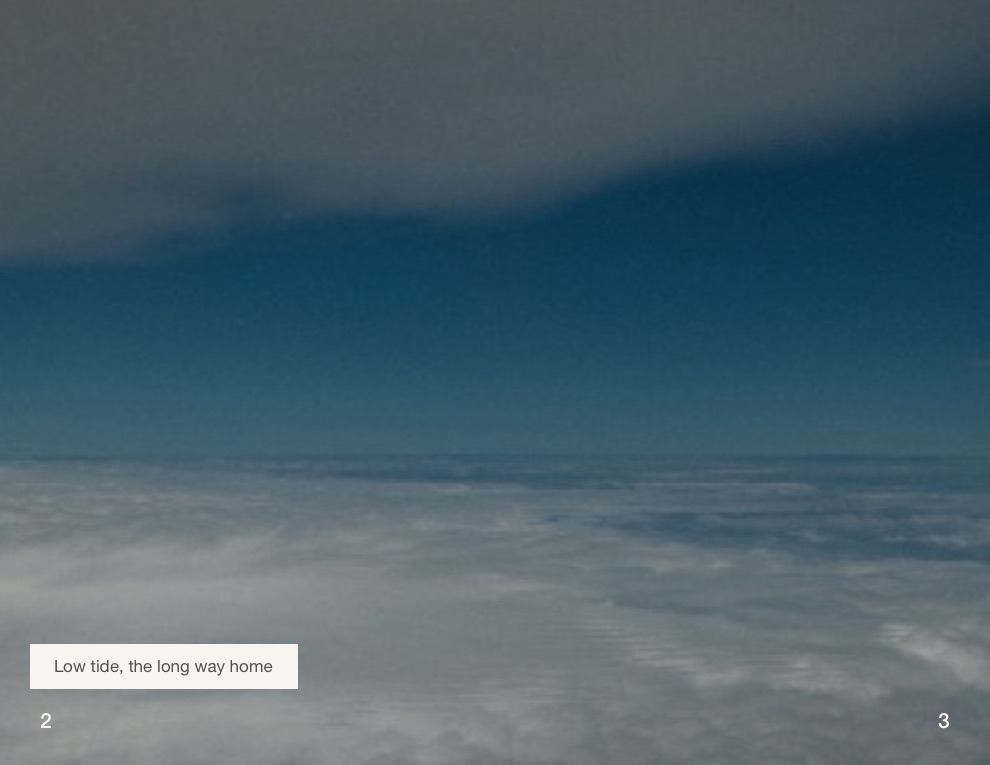
Spread
One photograph across two facing pages, lined up at the fold.
Layouts, two photographs
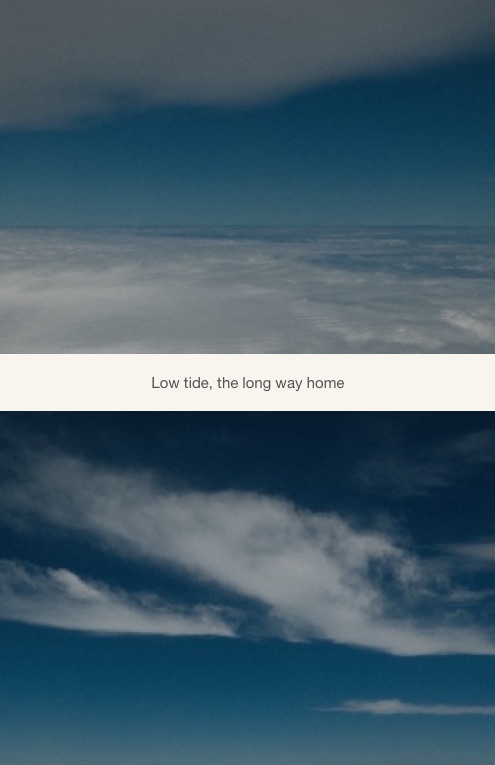
Duo
Two photographs stacked, edge to edge.
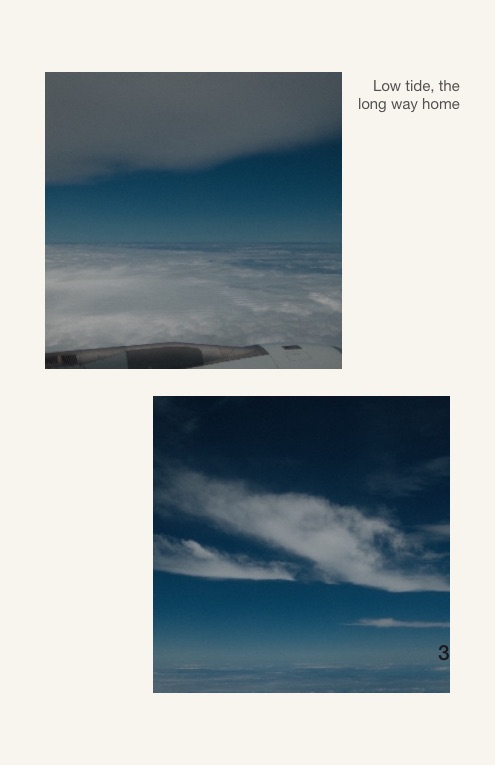
Duo inset
Two squares, offset diagonally.
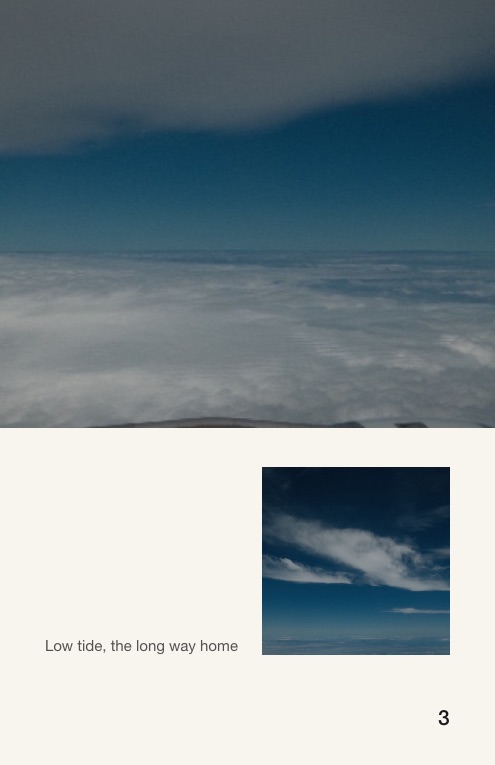
Feature pair
One photograph leading, a smaller one supporting.
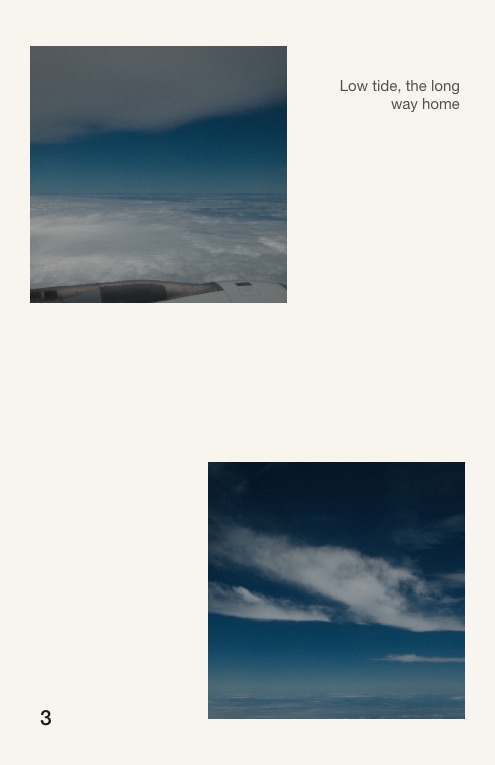
Stagger
Two squares corner to corner, making a diagonal without turning anything.
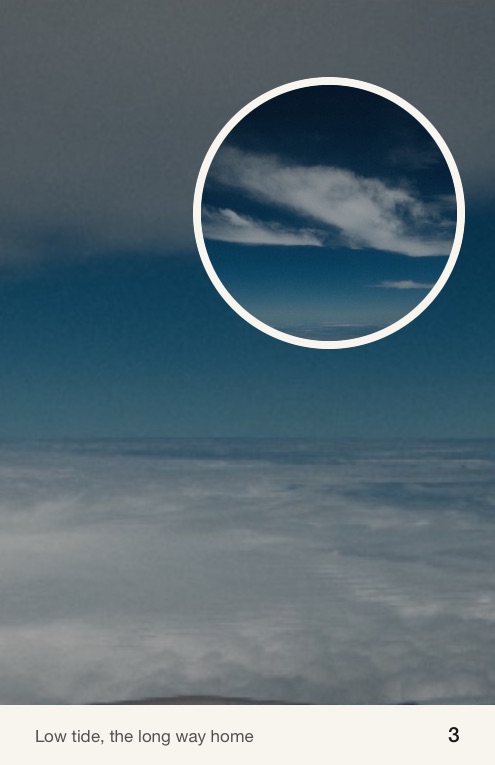
Porthole
A circle of the second photograph knocked out of the first.
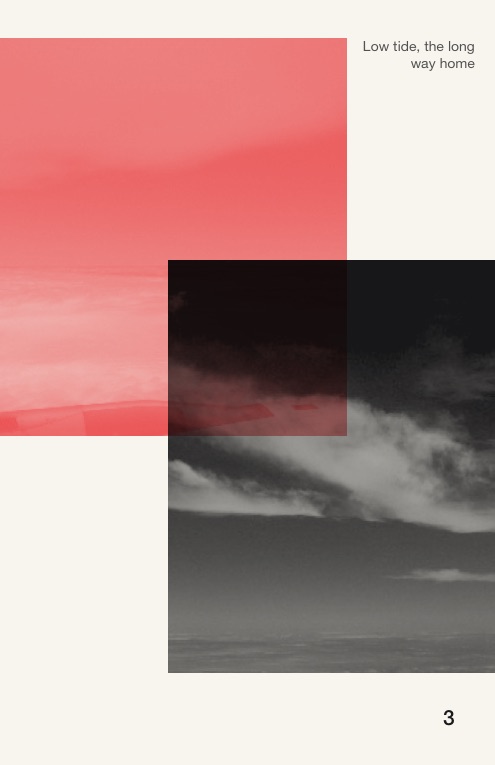
Overprint
Two single-colour photographs overlapping, the overlap making a third colour.
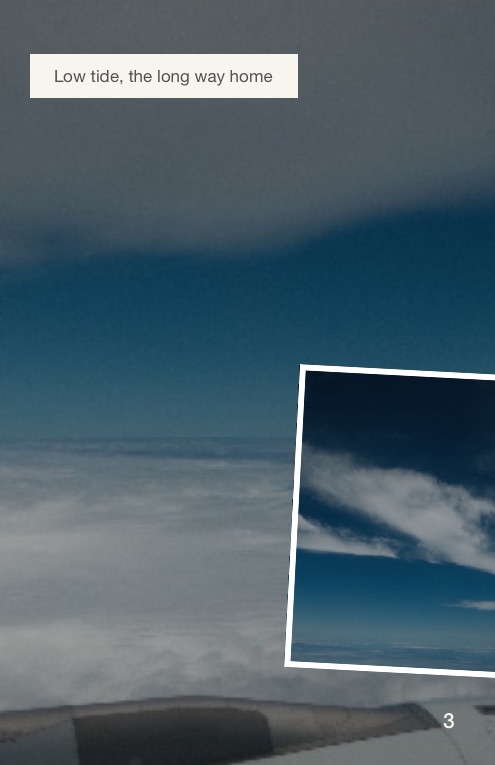
Paste-up
A second photograph pasted on the first with a white print edge.
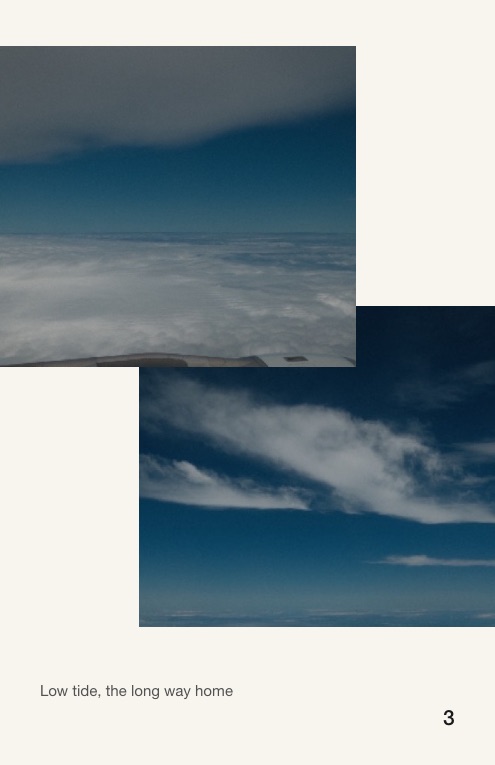
Shingle
Two photographs lapping like shingles on a roof.
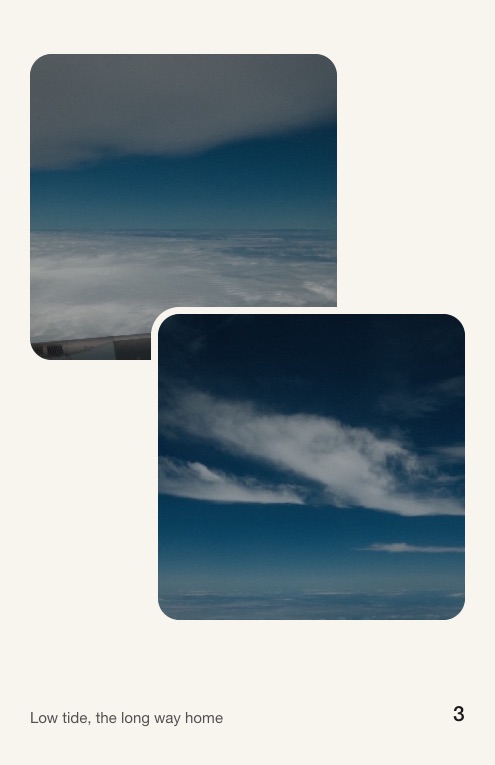
Deck
Two round-cornered prints, one laid over the other.
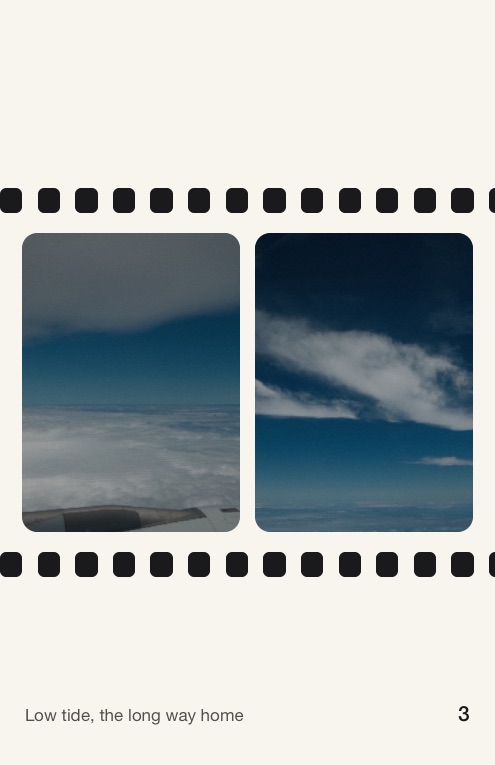
Strip
Two frames of the same roll, on one length of film.
Layouts, words
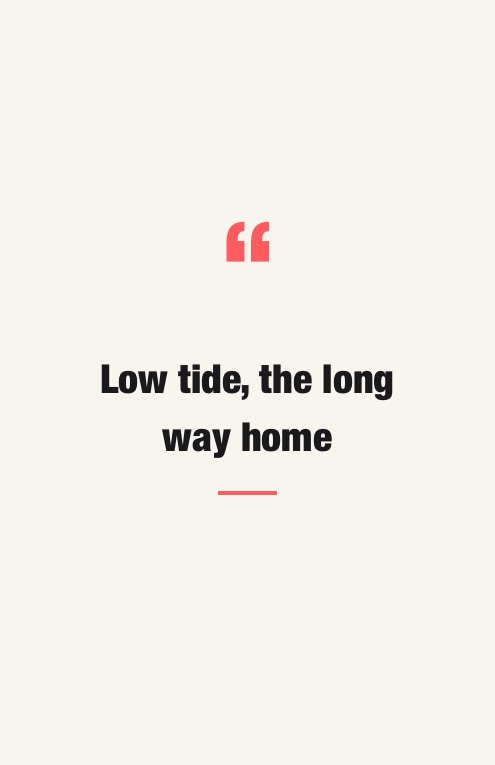
Quote
A pull quote, large, with no photograph.
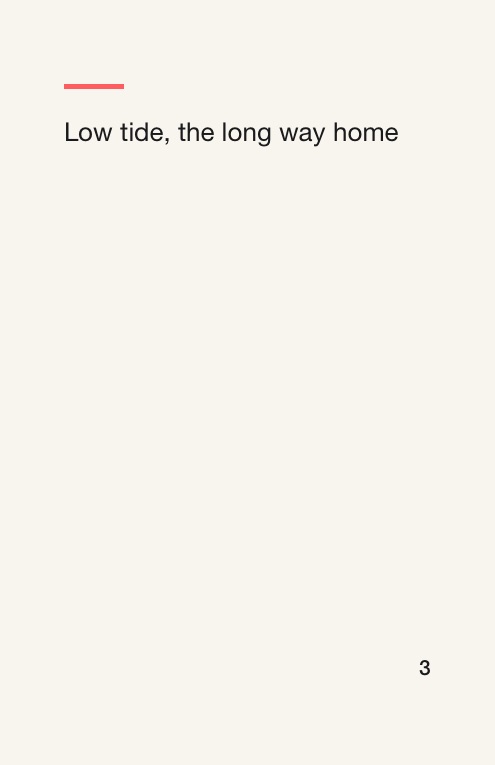
Intro
A few lines of writing on an otherwise empty page.